

Mediterranean landscapes are effortless retreats, brimming with engaging textures and fragrances. These outdoor spaces act as easeful havens from the hustle and bustle of everyday life, and the planting style and hardscape elements echo a relaxed approach to landscape design. With distinctive gravel pathways and unusual plants that thrive in hot Pacific Northwest Summers, Mediterranean landscapes provide an escape from reality, even in the busiest urban settings.
In the 7 Dees Mediterranean Landscape Design Guide, we detail the principles of this low-maintenance, drought-tolerant landscape design style so that you can create the look at home. We lay out the materials that should be used to create the look along with the drought-tolerant, hardy plants that are essential to creating a clear and unmistakably Mediterranean aesthetic, even in the Pacific Northwest.
Plant Selection for Mediterranean-Style Landscapes
An extensive list of hardy Mediterranean-style plants for Pacific Northwest landscapes is detailed in our Mediterranean Design Guide. These drought-tolerant plants have aromatic foliage, unique textures, fragrant blooms, and even provide fruit for enjoying alfresco. By applying a few key design principles to each key planting group, you’ll create a cohesive and design-forward Mediterranean-inspired garden.
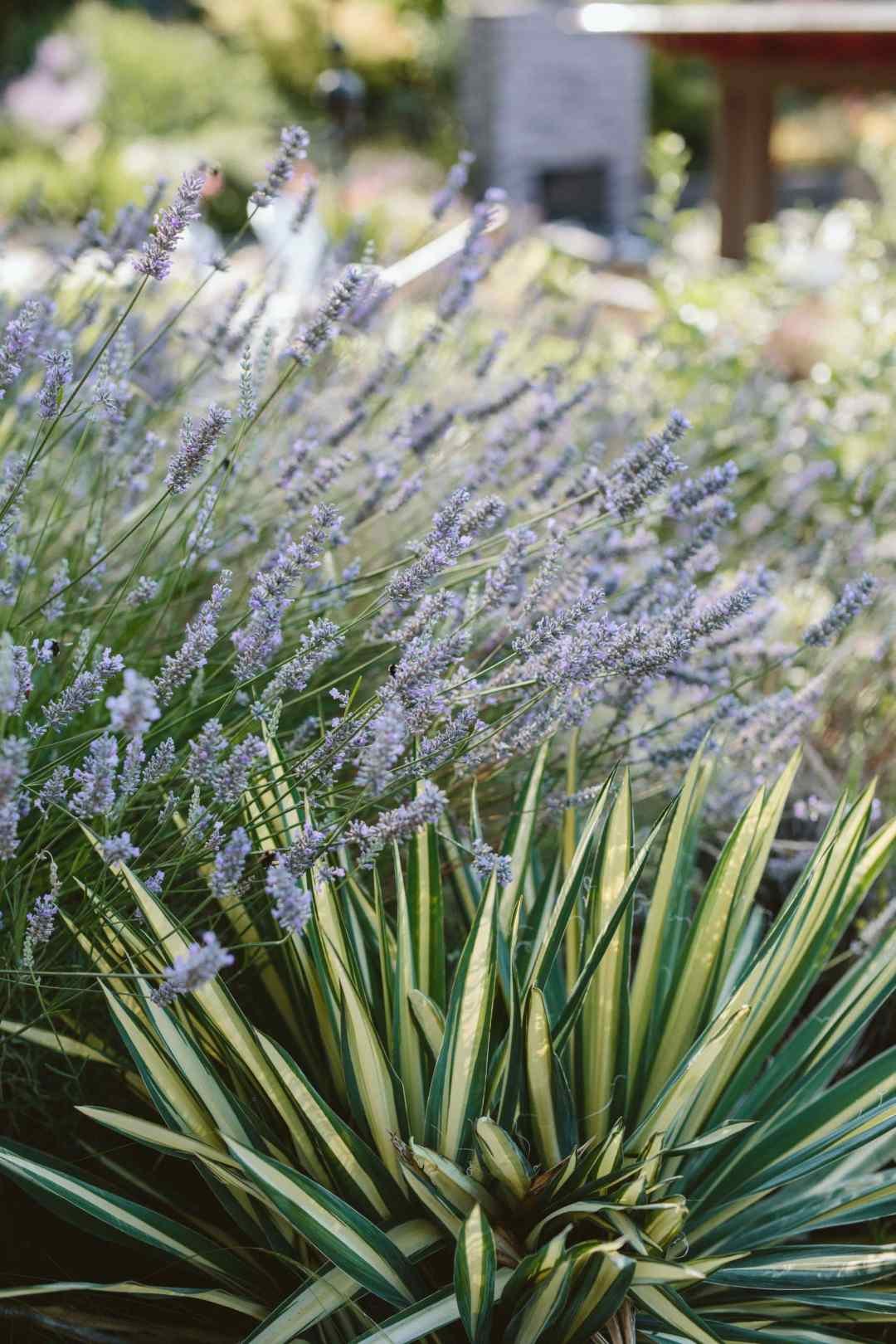


- Sturdy, aromatic, and evergreen subshrubs are the primary layer of the garden, weaving together to form a dense and engaging carpet 2–3’ tall.
- Flowering perennials bring a color palette to life and provide seasonal engagement with their summer blooms.
- Statement trees anchor corners of the garden and punctuate its important features. Crape Myrtle and Italian Cypress work well, as do Citrus and Olive trees grown in large, rustic pottery.
- Groundcovers should be used to fill any vacant spaces, providing an aromatic carpet full of texture that helps retain water and support other planting layers.


Mediterranean Landscape Color Palettes
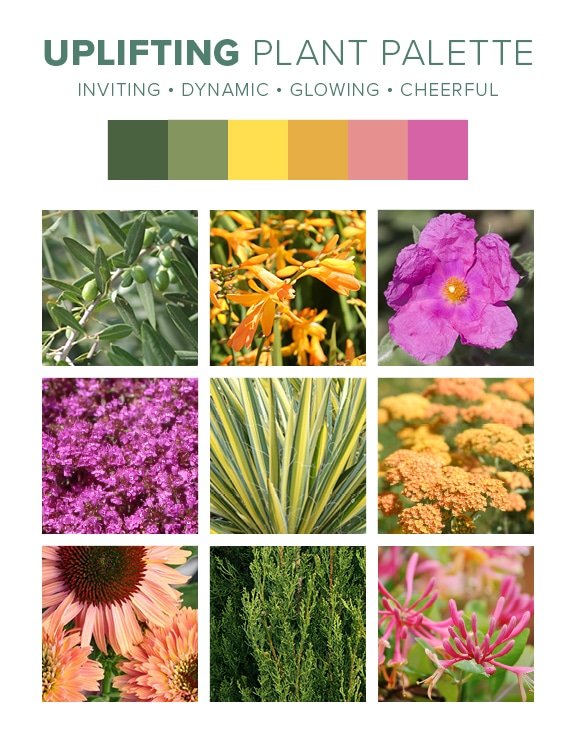
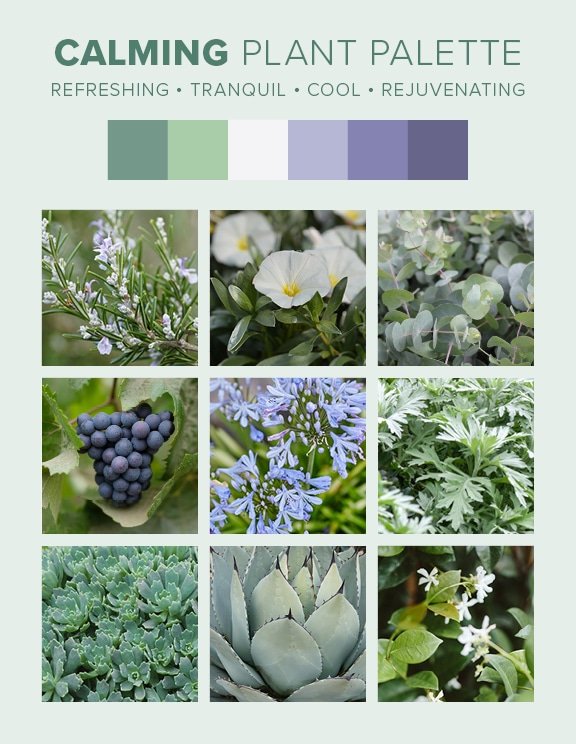
When designing a Mediterranean landscape, color can either be used to engage and uplift, or to calm and relax. Two thoughtful color palettes were created for our Mediterranean Design Guide to represent each attitude and perspective.
- To evoke an inviting, laid-back feeling, use flowers in a dynamic and glowing Uplifting Plant Palette which relies on blossoms of golden yellow, tangerine, and warm peach, and is further enriched by a saturated, intense pink.
- For a planting combination that feels more tranquil and rejuvenating, rely on a Calming Plant Palette of cool blues, dusky lavender, and glaucous grey-green foliage.
Materials to Use in a Mediterranean Landscape
Materials and plants in a Mediterranean landscape should cultivate a feeling of escapism. While the plants are listed in the guide are cold-hardy and the materials are readily available in the Pacific Northwest, the combination creates a sense of being whisked away on vacation. Full hardscaping details and a list of finishing touches for patio and décor are included in the Mediterranean Design Guide.

- For hardscapes, rely on small, light-colored gravel to cover paths or act as a border around natural stone or light concrete pavers.
- Pottery should be true to the aesthetic in warm, terra cotta clays and unglazed finishes.
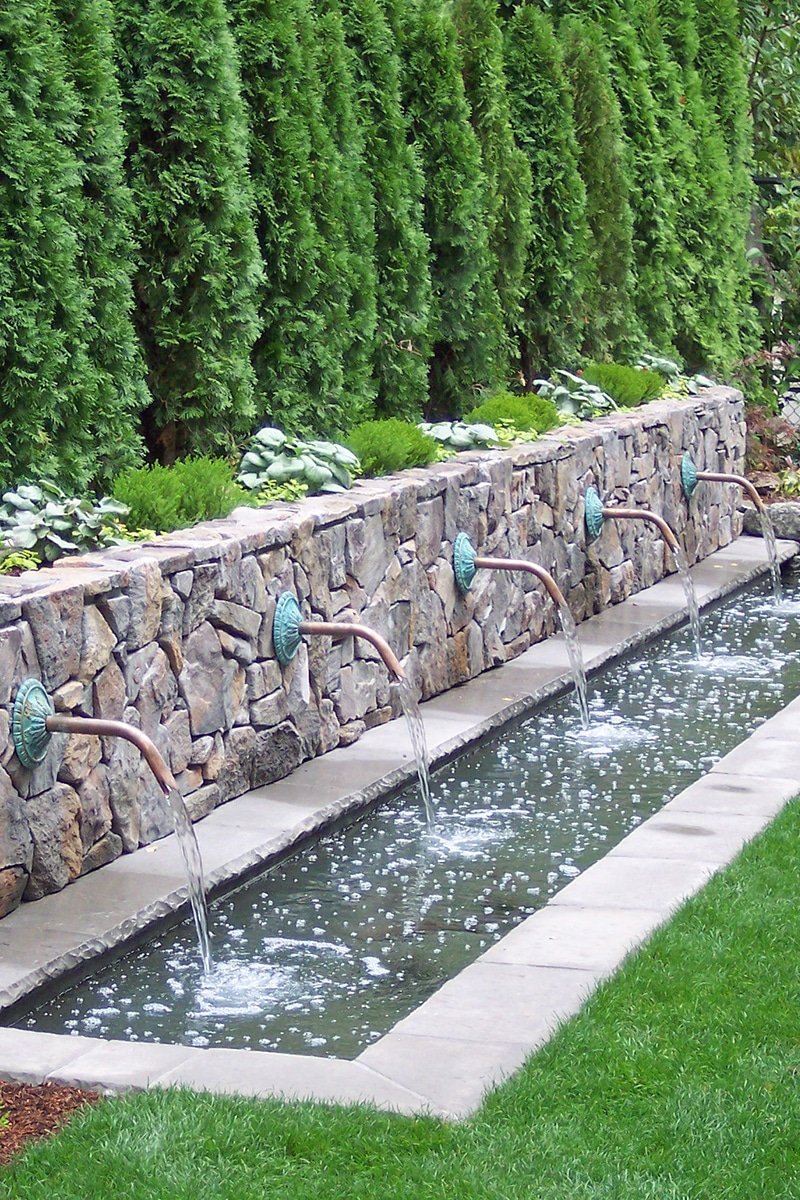
- Bring serenity and balance by using water to contrast the dry elements of the landscape.
- Create spaces for recreating outdoors to make sure the garden is not just viewed, but used in everyday life.
- Entertaining areas are key to a Mediterranean garden, so incorporate long, rustic tables or small bistro sets as places to dine or unwind.


Complementary Home Architectural Styles for Mediterranean Landscapes
Mediterranean landscapes, though distinctive, are versatile and can be paired with any architectural home style to create a resort-like atmosphere. Mid-century modern homes, bungalows, and ranch-style houses all look fantastic when paired with Mediterranean landscapes. Pairing a Mediterranean landscape with a more traditional craftsman home provides an unexpected and exciting departure from the norm!

Mediterranean Landscape Maintenance Tips
Mediterranean Landscapes are very low-maintenance, drought-tolerant, and easy to care for once they are established. The subshrubs and trees included in the Mediterranean Design Guide’s plant lists do not require shearing, deadheading, or pruning, and they form naturally dense and attractive shapes. Perennials and Spikes like grasses, Iris, and Agapanthus should be cut back in Winter after they have gone fully brown.
Mediterranean landscapes often benefit from a Spring cleanup, where debris is cleared and fresh gravel is used to top dress paths or mulch beds. 7 Dees Residential Maintenance division is skilled in cleaning up landscapes of any style and can be hired for an enhancement or one-time cleanup.
How to Create the Perfect Mediterranean Getaway
7 Dees Mediterranean Design Guide is the perfect starting point for creating your own Mediterranean, resort-like landscape, whether you do the work yourself or rely on the experts.
Follow the principles outlined in the guide to ensure you have set up your garden to become the low-maintenance, drought-tolerant haven of your dreams. Use our comprehensive plant lists to make sure the plants you select will work well together in similar conditions and help bring the style to life. Utilize our color palettes to ensure that foliage, flowers, and textures of your plants blend together with intention and that nothing looks out of place.

Our Residential Construction Team can design, oversee, and install any landscape style, including increasingly popular Mediterranean landscapes. You can trust our award-winning Landscape Designers and skilled installation crews to help you bring your dream destination landscape to life. Book a free consultation and start your transformation today!